



How to Choose the Right School Backpack for Kids: A Complete Guide for Parents
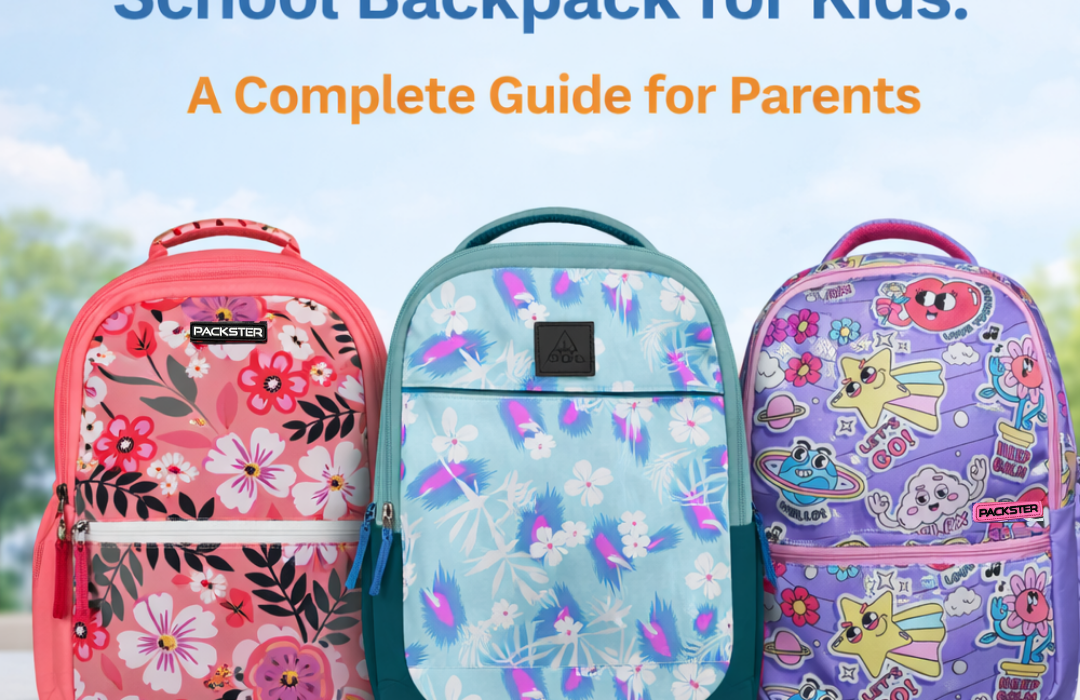
Choosing the best school bag for kids is more than just picking a trendy design or favorite cartoon character. The right school backpack for kids plays a crucial role in your child’s comfort, health, and organization throughout the academic year. With countless options available online and in stores, parents often feel overwhelmed when trying to find the perfect kids school backpack.
This comprehensive guide will walk you through everything you need to know about selecting a comfortable school backpack that keeps your child’s posture healthy, belongings organized, and style on point.
Why Choosing the Right School Backpack Matters
Before diving into the selection process, it’s important to understand why choosing the right school bags for children is so critical. An ill-fitting or poorly designed backpack can lead to back pain, shoulder strain, and poor posture in growing children. According to pediatric health experts, children should never carry more than 10-15% of their body weight in their backpack.
A properly selected backpack for school kids ensures:
- Proper weight distribution across the shoulders and back
- Reduced risk of musculoskeletal problems
- Better organization of school supplies
- Increased durability throughout the school year
- Enhanced comfort during daily commutes
Key Features to Look for in a Kids School Backpack
1. Ergonomic Design and Back Support
An ergonomic school bag for children is the foundation of a healthy carrying experience. Look for backpacks that feature:
Padded Back Panel: A kids backpack with padded back provides cushioning and prevents books and supplies from poking into your child’s spine. This feature is essential for comfort, especially when the bag is fully loaded.
Contoured Design: The school backpack with back support for kids should follow the natural curve of the spine, distributing weight evenly and preventing slouching.
Breathable Mesh: Many quality backpacks include mesh panels on the back to promote airflow and reduce sweating, keeping your child comfortable throughout the day.
2. Padded and Adjustable Straps
Kids backpack with padded straps are non-negotiable for comfort. The straps should be:
- At least 2 inches wide to distribute weight effectively
- Well-padded to prevent shoulder pain and indentations
- Fully adjustable to grow with your child
- S-shaped to fit comfortably over the shoulders
Thin, unpadded straps can dig into shoulders and cause discomfort, especially when carrying heavy textbooks.
3. Appropriate Size and Weight
The correct backpack size for school children varies by age and grade level. Here’s a general guideline:
Kindergarten to Grade 2: Look for a school backpack for kindergarten kids that measures approximately 14-16 inches in height. These smaller bags prevent young children from carrying too much weight.
Grades 3-6: A school bag for primary school kids should be around 16-18 inches, offering more space for growing academic needs while remaining proportionate to the child’s frame.
Middle School and Beyond: Older students can handle 18-20 inch backpacks, but the focus should remain on proper weight distribution rather than maximum capacity.
4. Lightweight Materials
A lightweight school backpack for kids starts light even before adding supplies. The empty backpack itself shouldn’t weigh more than 1-2 pounds. Modern materials like ripstop nylon and polyester offer excellent durability without unnecessary bulk.
5. Durability and Quality Construction
Children can be tough on their belongings, making a durable school bag for kids essential for lasting through the school year. Check for:
Reinforced Stitching: Double or triple stitching at stress points ensures the bag won’t fall apart under daily use.
Strong Zippers: A school backpack with strong zippers (preferably YKK or similar quality brands) prevents frustrating breakdowns mid-semester.
Quality Fabric: Look for tear-resistant, high-denier fabrics that can withstand the daily wear and tear of school life.
6. Water Resistance
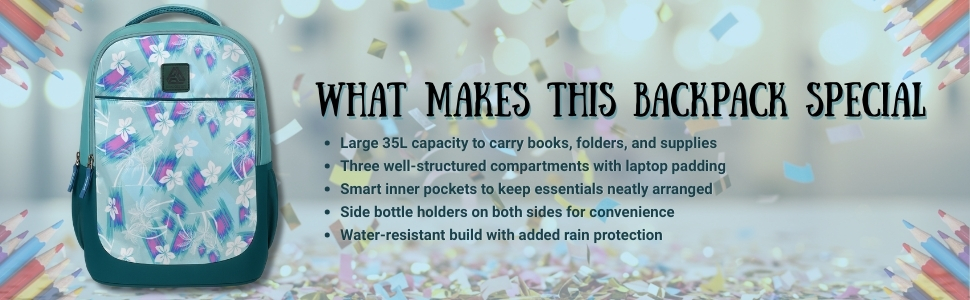
A waterproof school backpack for kids (or at least water-resistant) protects valuable textbooks, electronics, and homework from unexpected rain showers. Many quality backpacks feature water-resistant coatings or include rain covers for extra protection.
7. Multiple Compartments and Organization
A backpack for kids with multiple compartments helps children stay organized and find supplies quickly. Look for:
Main Compartment: Large enough for textbooks and binders Front Pocket: Perfect for pens, pencils, and small supplies Side Pockets: A school bag with bottle holder keeps water bottles secure and easily accessible Lunch Compartment: A kids backpack with lunch compartment separates food from books, preventing spills and keeping lunches fresh
Gender-Specific Considerations
While functionality should always come first, many children have preferences for style and color.
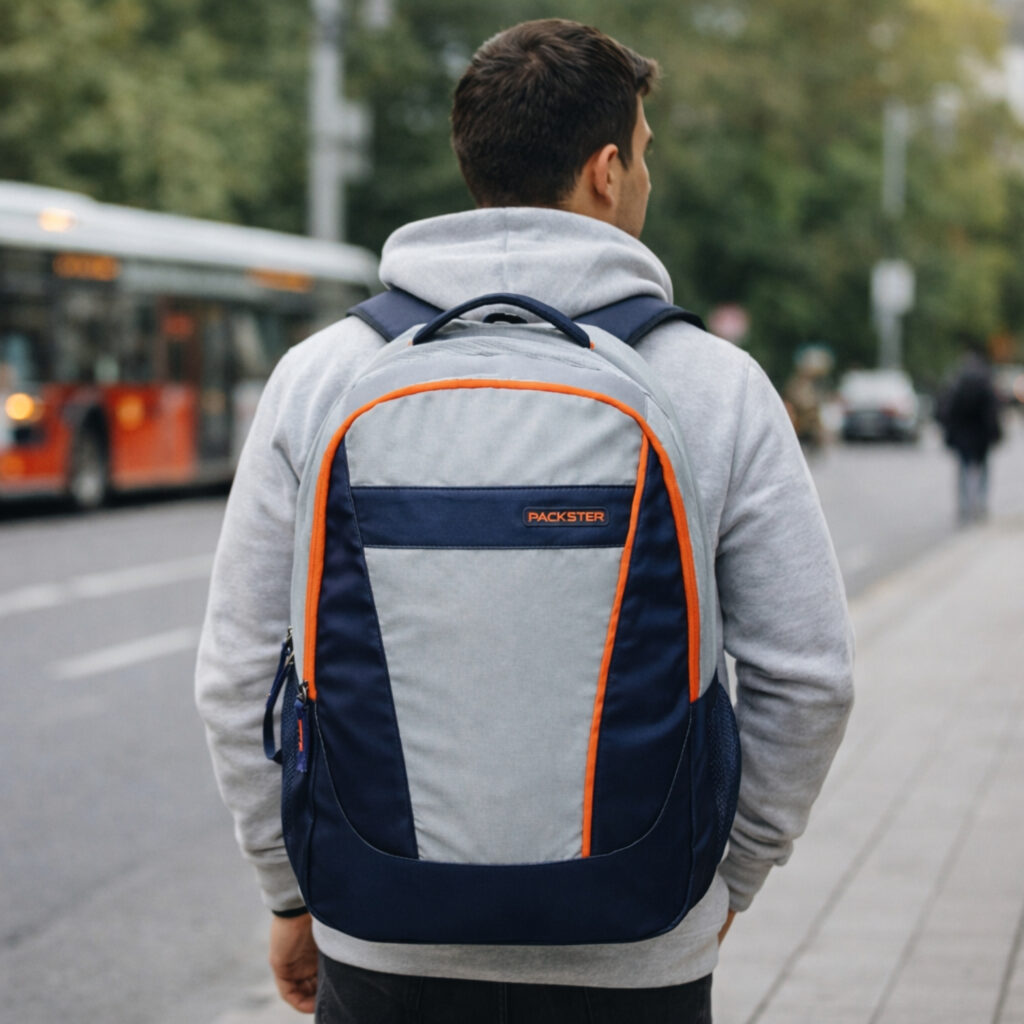
Backpack for Boys School: Often features sports themes, superheroes, or neutral colors like blue, black, or camouflage patterns.
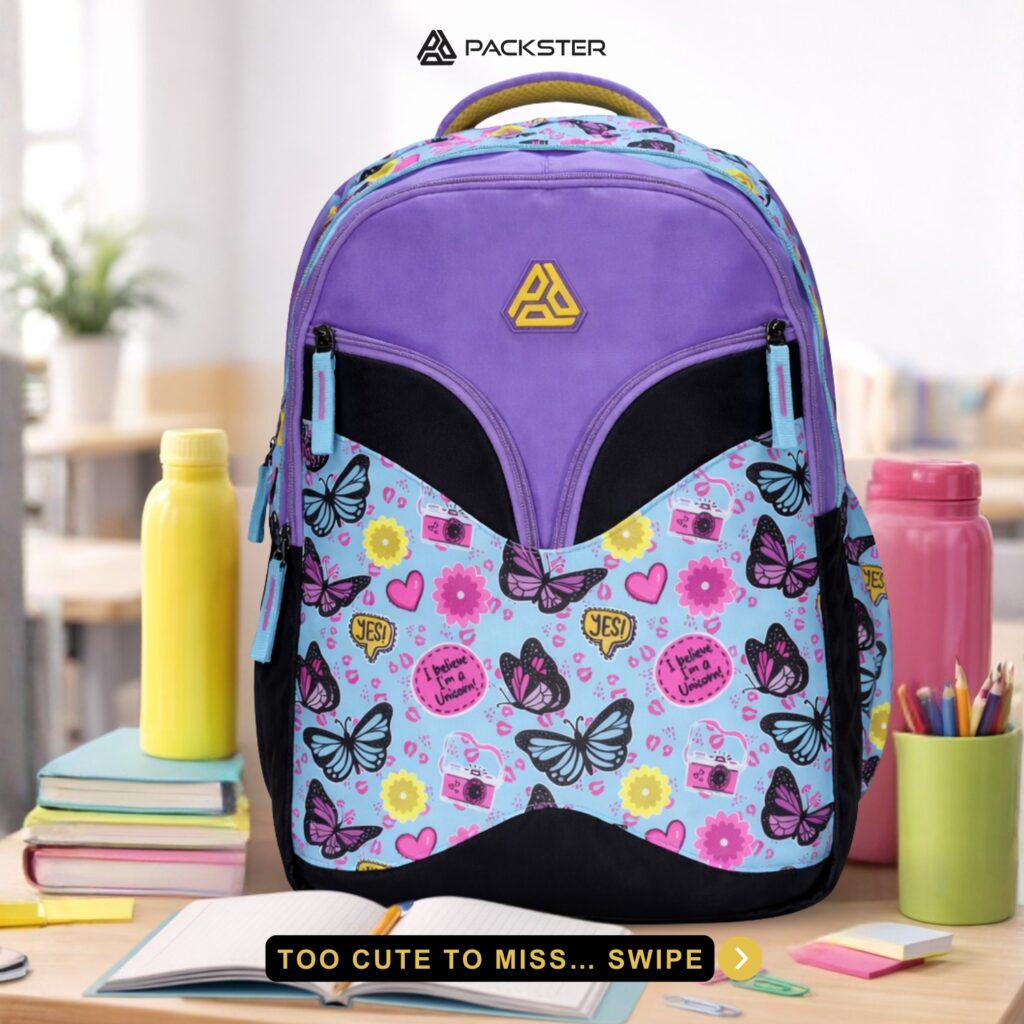
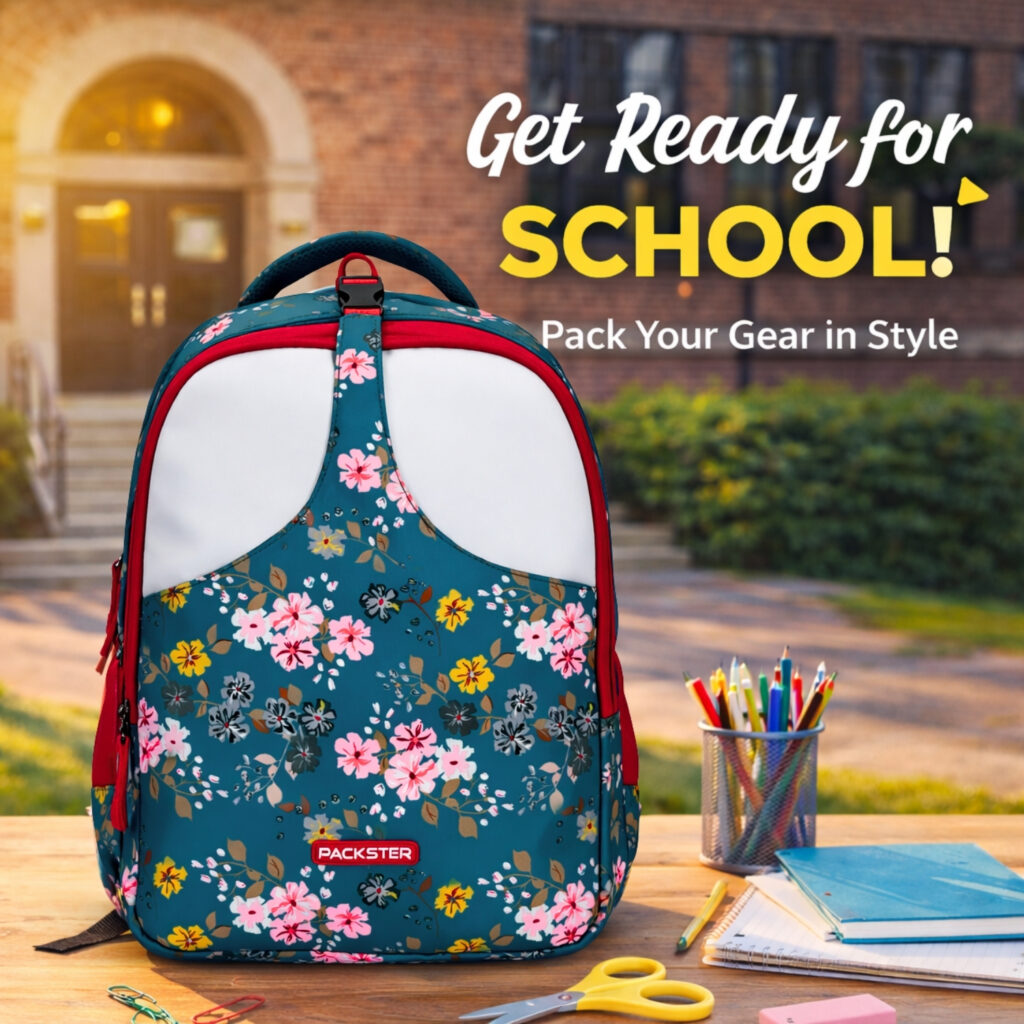
Backpack for Girls School: May include floral designs, pink or purple colors, or popular characters, but always prioritize ergonomic features over aesthetics.
Remember, the most important factor is fit and comfort, regardless of design preferences.
Special Considerations for Different Age Groups
For Younger Children (Kindergarten to Grade 2)
When selecting a school backpack for kindergarten kids:
- Choose smaller, proportionate sizes
- Opt for bright colors or reflective strips for visibility
- Consider bags with name tag holders
- Look for easy-to-use zippers and closures
- Limit compartments to avoid confusion
For Older Children (Grades 3 and Up)
A school bag for primary school kids in upper elementary should:
- Offer more organizational options
- Include a laptop or tablet sleeve if needed
- Feature more mature designs
- Provide adequate space for growing academic loads
- Include chest or waist straps for better weight distribution
Additional Features Worth Considering
Chest Strap: Helps distribute weight more evenly and keeps straps from sliding off shoulders.
Waist Belt: For heavier loads, a waist belt transfers some weight from shoulders to hips.
Reflective Elements: Improves visibility during early morning or evening commutes.
Washability: A washable school bag for kids makes maintenance easy when spills and dirt accumulate.
Shopping Tips: Where and How to Buy
Best School Backpack for Kids in India
If you’re searching for the best school backpack for kids in India, consider both international and domestic brands. Popular options include:
- Skybags
- Wildcraft
- American Tourister
- Nike
- Puma
- Adidas
Many parents choose to buy school backpack for kids online for convenience and variety. Platforms like Amazon and Flipkart offer extensive selections with customer reviews to guide your decision.
Budget Considerations
Affordable school bags for kids don’t have to compromise on quality. Set a realistic budget, but remember that a well-made backpack is an investment in your child’s health and comfort. Check kids school backpack price ranges:
- Budget-friendly: ₹500-₹1,000
- Mid-range: ₹1,000-₹2,500
- Premium: ₹2,500 and above
Often, spending a bit more on a quality backpack means it will last longer and provide better support.
How to Ensure Proper Fit
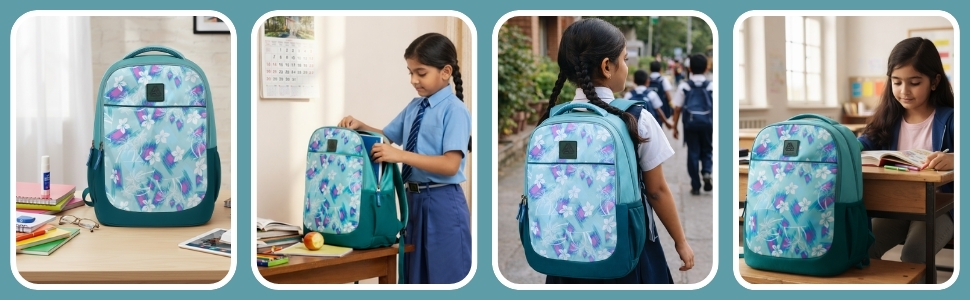
Once you’ve selected a safe school bag for kids, ensure it fits correctly:
- Adjust the straps so the bottom of the backpack sits at the curve of the lower back
- Tighten evenly on both sides to keep the bag centered
- Check the gap – there should be no more than 4 inches between the child’s back and the bag
- Test the weight – load the bag and watch your child walk to ensure they’re not leaning forward
- Use all straps – chest and waist straps should be fastened for optimal support
Teaching Proper Backpack Habits
Even the best backpack for kids school use won’t help if used incorrectly. Teach your children to:
- Use both shoulder straps (never sling over one shoulder)
- Pack heavier items closest to the back
- Organize daily and remove unnecessary items
- Lift properly by bending at the knees
- Report any discomfort immediately
Maintenance and Care
To extend the life of your child’s backpack:
- Clean regularly: Spot-clean spills immediately and do a deep clean monthly
- Empty daily: Remove unnecessary items to reduce wear
- Check zippers: Lubricate with a pencil lead if they become sticky
- Repair promptly: Fix small tears before they become bigger problems
- Rotate if possible: Having two backpacks can extend the life of both
Frequently Asked Questions (FAQ)
Q1: How heavy should a school backpack be for kids?
A: A child’s backpack should never exceed 10-15% of their body weight when fully loaded. For example, a child weighing 40 pounds should carry no more than 4-6 pounds in their backpack. Regularly check and weigh the backpack to ensure it’s not overloaded.
Q2: What size backpack is right for my child?
A: The right size depends on your child’s age and height. The backpack should not extend below the lower back or above the shoulders. For kindergarten, choose 14-16 inches; for primary school, 16-18 inches; and for older children, 18-20 inches. Always prioritize fit over capacity.
Q3: Are rolling backpacks better for kids?
A: Rolling backpacks can be beneficial for children with specific medical conditions or those carrying extremely heavy loads. However, they’re not practical for schools with stairs, crowded hallways, or uneven terrain. A well-fitted traditional backpack with proper weight distribution is usually the better choice.
Q4: How often should I replace my child’s school backpack?
A: A quality backpack should last 1-2 school years with proper care. Replace the backpack if you notice: broken zippers, torn fabric, worn padding, broken straps, or if your child has outgrown the current size. Don’t wait until the backpack fails completely.
Q5: What’s the difference between waterproof and water-resistant backpacks?
A: Water-resistant backpacks can handle light rain and moisture but aren’t completely impervious to water. Waterproof backpacks offer complete protection against water penetration. For school use, water-resistant is usually sufficient and more affordable.
Q6: Should I buy a backpack with my child or surprise them?
A: Always involve your child in the selection process if possible. They can try on different options to ensure proper fit, and having a say in the design increases the likelihood they’ll actually use and care for the backpack. However, guide them toward ergonomic and functional options.
Q7: Are expensive branded backpacks worth the investment?
A: Price doesn’t always equal quality, but reputable brands often provide better construction, warranties, and ergonomic designs. Focus on features rather than brand name alone. A mid-range backpack from a quality manufacturer often provides the best value.
Q8: Can a poorly fitted backpack cause long-term health issues?
A: Yes, consistently carrying a poorly fitted or overloaded backpack can lead to posture problems, back pain, shoulder strain, and even spinal misalignment over time. Investing in a properly fitted, ergonomic backpack and teaching correct usage is crucial for long-term health.
Q9: What should I do if my child complains about back or shoulder pain?
A: First, check the backpack weight and fit. Remove unnecessary items, adjust straps, and ensure proper usage. If pain persists, consult a pediatrician. The issue might be the backpack, but it could also indicate another underlying problem.
Q10: Are there eco-friendly school backpack options available?
A: Yes! Many brands now offer backpacks made from recycled materials, organic cotton, or sustainable fabrics. While often slightly more expensive, these options reduce environmental impact and teach children about sustainability.
Conclusion
Selecting the right school backpack for kids is an important decision that impacts your child’s daily comfort, health, and organization. By prioritizing ergonomic features like padded straps, back support, and proper sizing, you ensure your child carries their school supplies safely and comfortably.
Remember that the best school bag for kids balances functionality, durability, and personal style. Look for lightweight school backpacks with multiple compartments, waterproof materials, and strong construction to get the most value from your investment.
Whether you’re shopping for a school backpack for kindergarten kids or a backpack for primary school kids, use this guide to make an informed decision. Take the time to properly fit the backpack, teach your child healthy carrying habits, and regularly check the weight and condition of the bag.
When you buy school backpack for kids online or in-store, remember that the cheapest option isn’t always the best value. An affordable school bag for kids that meets all ergonomic requirements will serve your child better than an expensive designer bag without proper support features.
Finally, involve your child in the selection process to ensure they’re excited about their new backpack while you maintain focus on the health and safety features that matter most. A well-chosen kids school backpack sets your child up for a comfortable, organized, and successful school year.